
The inclusion problem in data and AI - and how to fix it! [Guest blog]
Guest blog by Dora Kitching, Development Officer at In2scienceUK.
Want to write a guest blog for The Data Lab Community? Register your interest here.
Inclusion in data and AI: Expectations vs. Reality
It’s no secret that increasing inclusion and diversity in science, technology, engineering and maths (STEM) has clear benefits to the UK STEM sector. Its importance is especially clear in industries reliant on data and AI, as both play a vital role in our society and economy.
With fast-moving advancements and a growing involvement in delivering solutions for sustainability, transport, manufacturing and energy (to name a few!), the data science and AI sectors benefit enormously from the inclusion of people from different socioeconomic backgrounds, races and genders. This diversity drives innovation and expands the talent pool that UK organisations can draw from to meet the ever-increasing demand for skilled STEM workers.
However, recent data reveals a gap between the ideal and the reality. In 2021, 46% of UK businesses struggled to recruit for roles that required data skills, and Tech Talent Charter’s most recent Diversity in Tech report showed that, in 2024, only 9% of 30,000+ tech employees from 85 different UK employers were from low socioeconomic backgrounds. This is a stark contrast to 29% in finance and 23% in law.
Women in particular are drastically underrepresented, and the proportion has even decreased since 2022. Only 15.7% of women worked in technology and engineering occupations in 2023, down from 16.5% in 2022 and compared to 56.1% of all other occupations combined. There is also a notable lack of diversity in sectors like information technology, as the number of Black women in this workforce is two and a half times lower than the number of Black women across the whole UK workforce.
It is clear that there is both a need and a desire to break down barriers to careers involving data and AI and make opportunities more accessible, but widespread and deliberate action is required to make this happen.
Breaking barriers to data and AI
Supporting individuals from low-income backgrounds and underrepresented groups early in their educational and career journeys is a vital step toward widening inclusion and diversity in the industry.
Many young people from these communities report encountering barriers to pursuing their career aspirations in STEM. Their challenges include finding access to STEM-related work experience, relatable role models and connections with relevant networks, as well as quality education and career information. Without these building blocks, ambitious young people struggle to gain the confidence and self-belief needed to kick-start their career in data science and AI.
By removing systemic barriers and creating opportunities that support the development of specialised skills, sector awareness, self-confidence and a sense of belonging, individuals are more empowered to make informed choices about their educational pathways and succeed in their chosen careers.
However, this cannot happen without collaboration. If the data science and AI industries want to diversify their workforce and tackle the widening skills gaps, they need to work together with academia and third-sector organisations on targeted initiatives that open doors for talented young people who do not always have the same opportunities as their more privileged peers.
How In2scienceUK is paving the way for inclusion
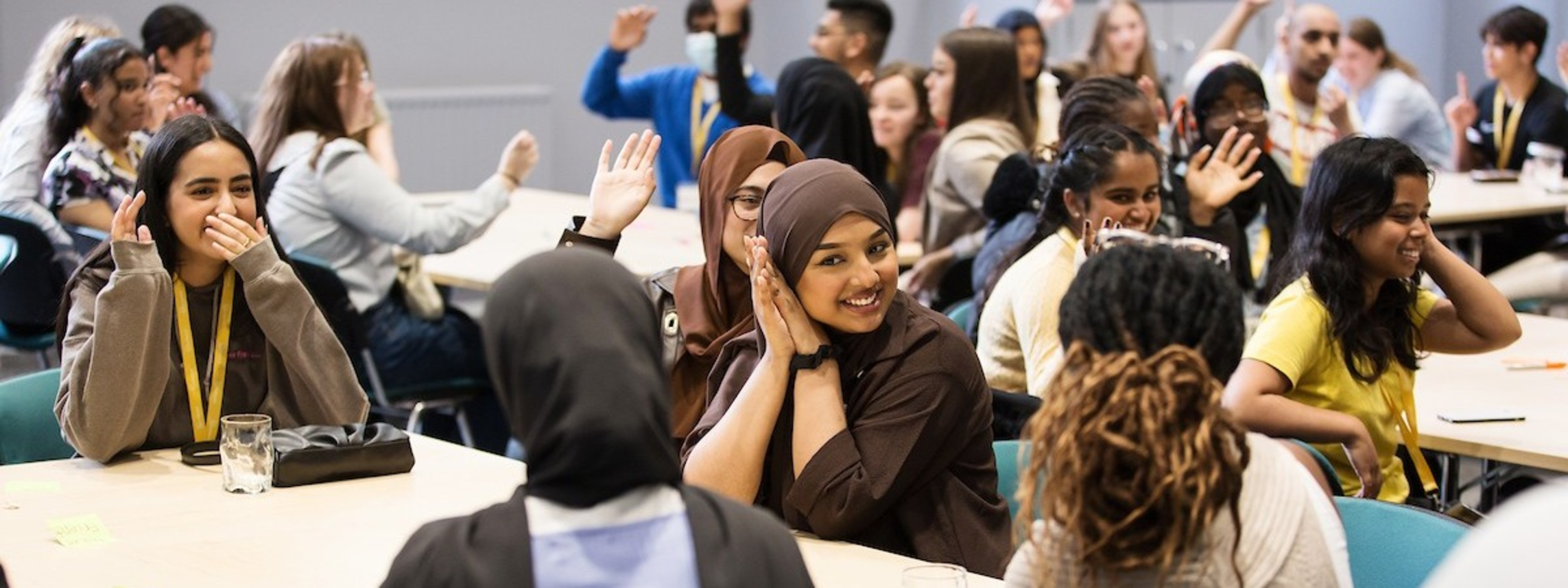
Nationwide charities like In2scienceUK are at the forefront of boosting diversity and inclusion in the UK STEM sector. As an award-winning social mobility organisation, we are dedicated to helping thousands of young people from low socioeconomic backgrounds and underrepresented groups access and succeed in STEM education and careers.
Established in 2010, we collaborate with both industry and academia to empower young people through two innovative programmes: In2STEM (aimed at students in Year 12 and S5/S6) and In2research (focusing on widening access to postgraduate research). These offer unique experiences that tackle the key barriers encountered by young people from underserved groups, including bespoke in-person STEM placements, interactive skills and employability workshops, inspiring away days, mentoring and ongoing career development support.
In 2025, our programmes supported 1,377 young people across the UK, creating opportunities that continue to shape participants’ academic and professional trajectories. In2scienceUK’s most recent Impact Report shows that 98% of participants on the In2STEM programme gained practical or professional skills during the programme that will support them in the future, and 96% said that In2STEM increased their confidence in applying for a STEM degree or apprenticeship. For those who took part in the In2research programme, 80% agreed that they built a network through their placement and 82% felt a sense of connection with academics in their field of study.
These outcomes are largely driven by the outstanding support of volunteers across the UK STEM sector. While In2scienceUK lays the groundwork by connecting young people with subject-specific experts, it is our fantastic volunteers who provide the encouragement, insight and guidance that truly make these transformative experiences possible.
Notably, In2scienceUK’s programmes have opened doors and created opportunities for participants pursuing interests in data and AI-related fields. In2research participant Laura faced early barriers to accessing opportunities but, through the programme, she went on to contribute to a bioinformatics project analysing large datasets at the Babraham Institute. She shared:
“I’ve gained lots of skills on my placement, such as advanced R coding. At first, coding seemed impossible, but the programme structure and support helped me pick it up faster than I expected. That showed me that sometimes you just need the opportunity to realise something isn’t impossible. ”
Similarly, Saeed, a 2025 In2STEM participant, reflected on their computer science summer placement at the University of Roehampton:
“I wanted to take part in In2STEM for a free opportunity to have hands-on experience with a professional. I would never have had this opportunity otherwise.
During this placement we have delved into all aspects of computer science. Skills I have learned include cybersecurity and the dangers of it, as well as how to protect your own data. My highlight of In2STEM has been meeting others who come from similar backgrounds and are now very accomplished. The value of role models is really important. Students may not be able to envision themselves until they meet someone who has gone through the same hardships and come out the other side.”
Both Laura and Saeed are just two examples of In2scienceUK participants who have benefited from immersive experiences in data and AI. These hands-on placements and opportunities to engage with professionals help bring industries to life and support the development of sector-specific skills. Consequently, young people feel more confident in their chosen pathway and better equipped to succeed in the workplace.
Guide the next generation into data and AI
Many In2scienceUK volunteer hosts and mentors speak about how meaningful and rewarding it is to support someone’s career development while giving back to the next generation of STEM professionals. Placement host Sheena echoed this experience:
“I think In2scienceUK is perfect for bringing organisations and young people who need those organisations together - it’s wonderful. It’s great because if we were to try and do this on our own, it would be really hard. I loved hosting young people who are underrepresented in STEM careers and university courses and I would definitely be interested in doing it again!”
Progress depends on building opportunities for those who are too often excluded from them so, if you want to make a real difference, get involved! Host a work placement, mentor a young person, or raise funds and awareness for organisations like In2scienceUK who are creating these pathways.
The data and AI industry may be falling behind on inclusion, but that can change. Volunteer today and help shape a more equitable future!
For more information about In2scienceUK, please visit our website.